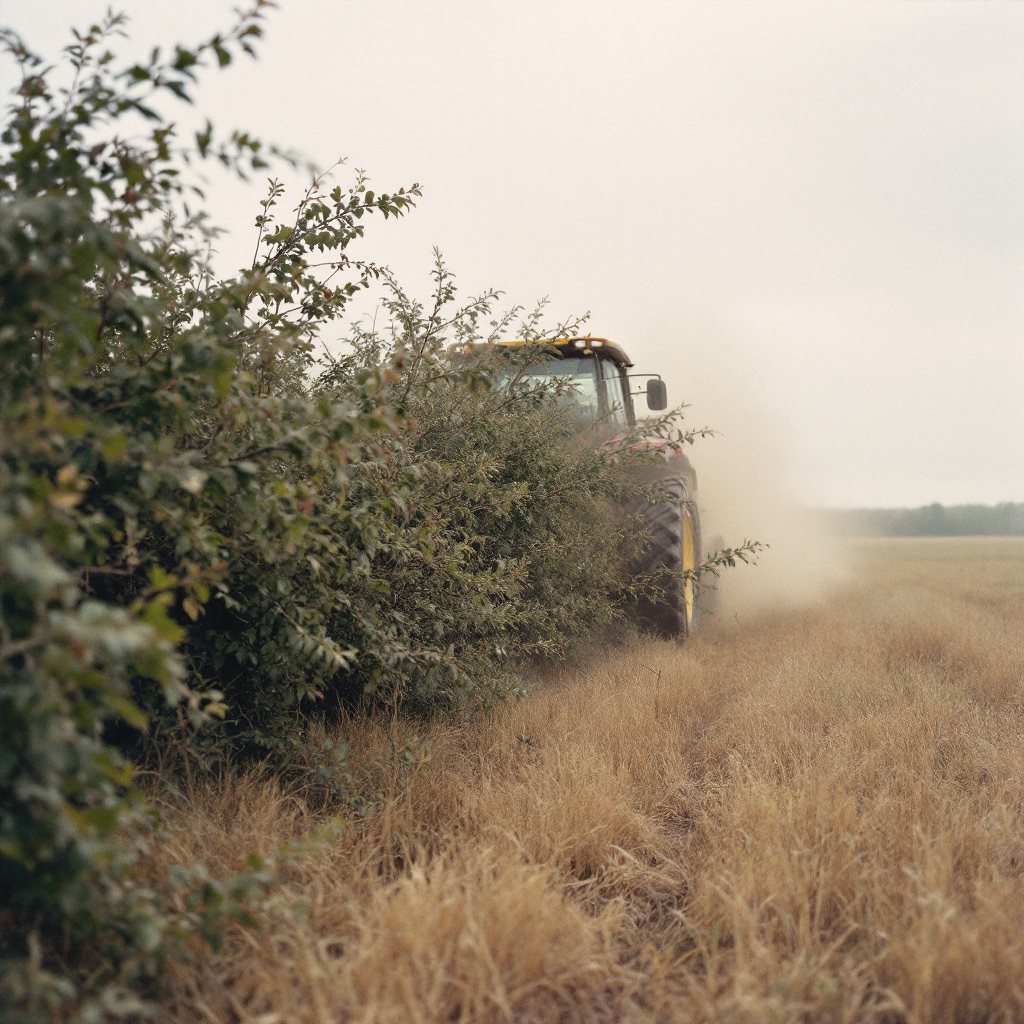
Half the wooded ground in central Indiana is a fine stand of hardwoods buried in bush honeysuckle. Underbrush clearing takes out the mess and gives you back the woods.
Get an Acreage Quote Call (317) 674-1303Central Indiana's understory villains are remarkably consistent. Bush honeysuckle — first green in spring, last green in fall, the wall you can't walk through — is public enemy one. Behind it: multiflora rose (the one that draws blood), autumn olive, volunteer eastern red cedar marching into old pasture, and self-seeded callery pear, the escaped ornamental now colonizing every unmowed corner of every county we serve. None of them quit on their own. All of them mulch beautifully.
This is not scorched-earth clearing. We work around the oaks, hickories and walnuts worth keeping, take the understory to ground, and leave park-like woods you can actually walk, hunt, or turn kids loose in. Property edges, creek corridors and the yard-to-woods transition are where this transforms how a place feels — and what it appraises for, because 'wooded acreage' and 'impenetrable thicket' read very differently to a buyer even when the survey says the same thing.
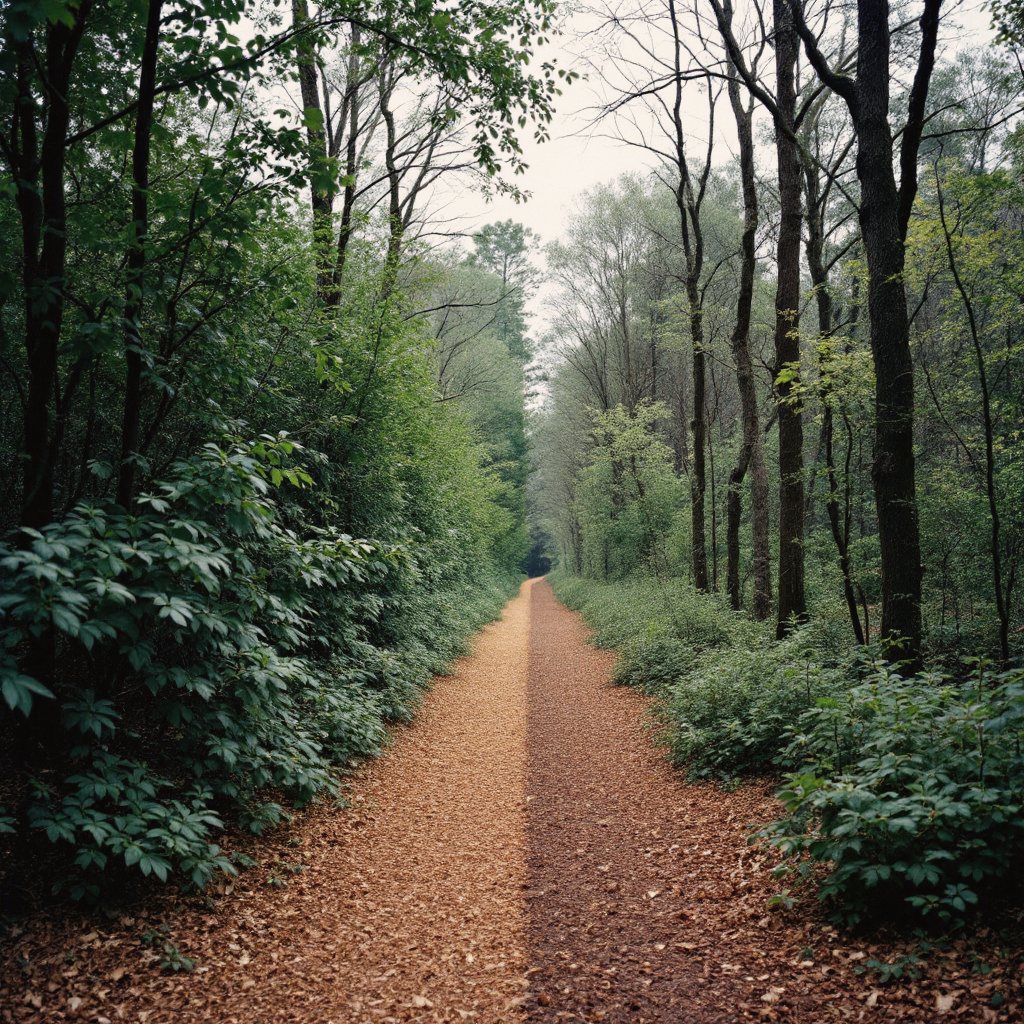
The honest agronomy: honeysuckle and friends resprout from cut stumps, and the seed bank in the soil gets its chance once light reaches the floor. Mulching resets the board and makes the ground workable; permanence takes a follow-up — a second pass on the regrowth flush the next season, or targeted stem treatment at cutting time. We lay out both options and their costs with the original quote. Skipping this conversation is how people clear the same five acres twice.
In-town overgrown lots run as half-day or day-rate jobs. Acreage understory prices per acre and lands toward the low end of the mulching range — we're not eating big stems, just lots of small ones. Mixed ground (thick corners, open middles) gets walked and priced by what's actually there rather than a blanket rate, which almost always works in your favor.
Any season works mechanically, but each has a personality: winter clearing is gentlest on the keep-trees and shows the bones of the land; spring catches the invasives spending energy on leaf-out; late summer hits the seed producers before they drop. Wet weeks slow tracked work on clay. Tell us your deadline — a hunting season, a grazing plan, a listing date — and we'll schedule to it.
